December 2, 2009
Green Up Your Act Education teaches the meaning of sustainability through workshops using a balance of discussion, practical activities and out of class learning. The project’s main objectives are to enable children to become aware of their own carbon footprint. They are taught this through the subjects of food, waste, recycling, energy production and pollution. By doing this they can become inspired and empowered to protect their direct environment. Many areas of the curriculum are covered, particularly science, geography and citizenship.
Liz Williamson St Mary Magdalen
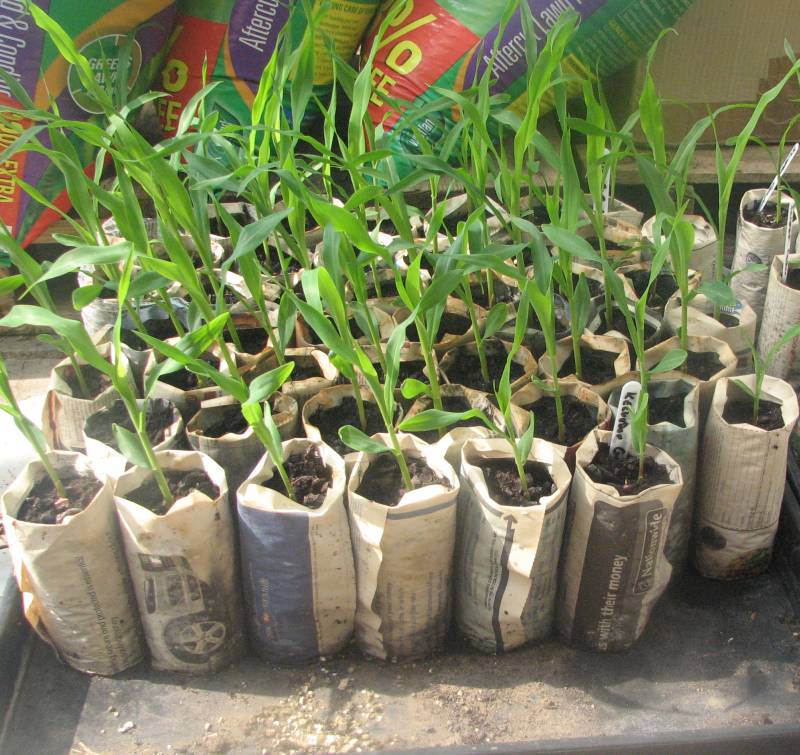
All of our classes from Year 1 to Year 5 enjoyed their inspiring and hands on activities of making pots and planting them with food seedlings – all in just one hour for each class workshop. The activity had many links for each class with their science and creative curriculum and with our Eco week themes. This was the highlight of our school Eco Week because it linked every aspect of our educational focus: food, transport, reduce, reuse, recycle, simplicity, co-operation; there was no preparation required on the part of the teachers and we were amazed at what could come out of two handmade baskets carried on the bus – enough to provide every child with their own pot making material, the compost and a variety of food seedlings to go in it. This was a workshop of huge educational value and one which every child learnt a practical skill of immense value, as well as getting to take their seedling home to grow and eat. We are looking forward to more input another time.

January 28, 2009

Green Shoots is a captivating activity giving insight into how food is responsible for our carbon footprint. Planting paper pots with seedlings is an effective way of learning about recycling and growing food.
All plants and materials supplied
Subjects include
Recycling.
newspaper+pot
Food miles.
Organic.
Seasonal food.
Sowing and Planting .
Growing food at home.
Subjects Covered
Food and drink.
Energy and water.
Travel and traffic.
Inclusion and participation.
Local well-being.
Global dimension.
Continue Reading »

November 5, 2008
Pupils at Priory School, Lewes, have taken their first steps to make their schools more environmentally friendly. Priory Eco Group (PEG) have pledged to cut down their litter and count the amount of electric and water they use at the school. They were guided by a representative from Green up your act Education, a Sussex based organization which advises schools on how to make energy improvements.
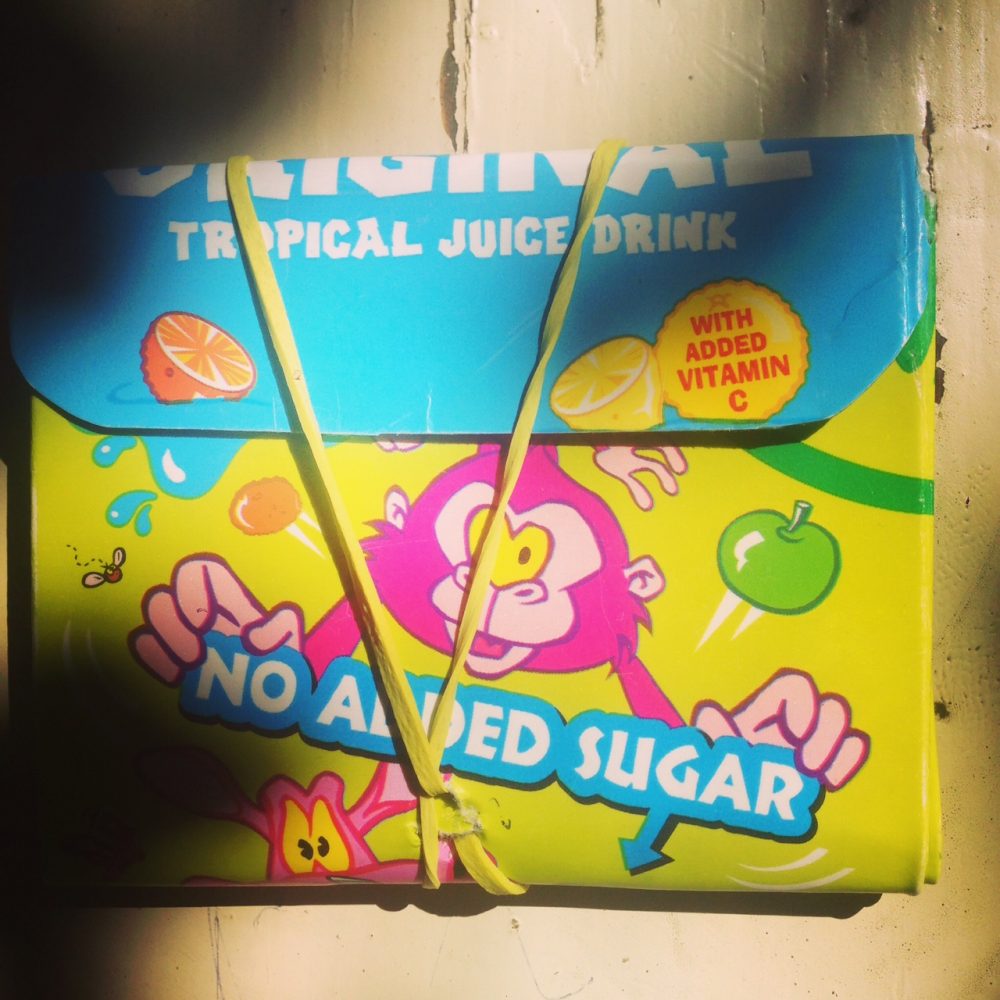
Pupils were shown how to make wallets from Tetra-packs and a bike linked to a small generator was used to demonstrate how much energy is needed to power a light bulb. They drew up plans for future energy-saving projects and were awarded a bronze award for their effects.
Subjects covered
Waste
Healthy Living.
Energy.
Water.
Silver Eco-School Award
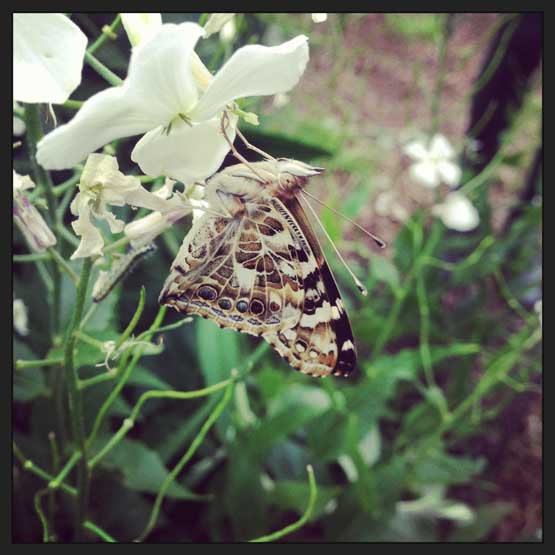
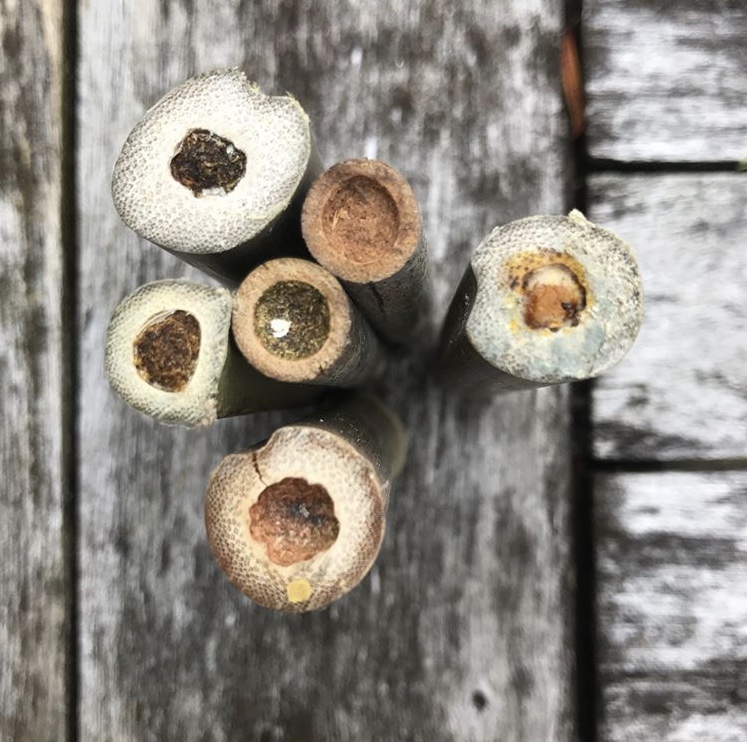
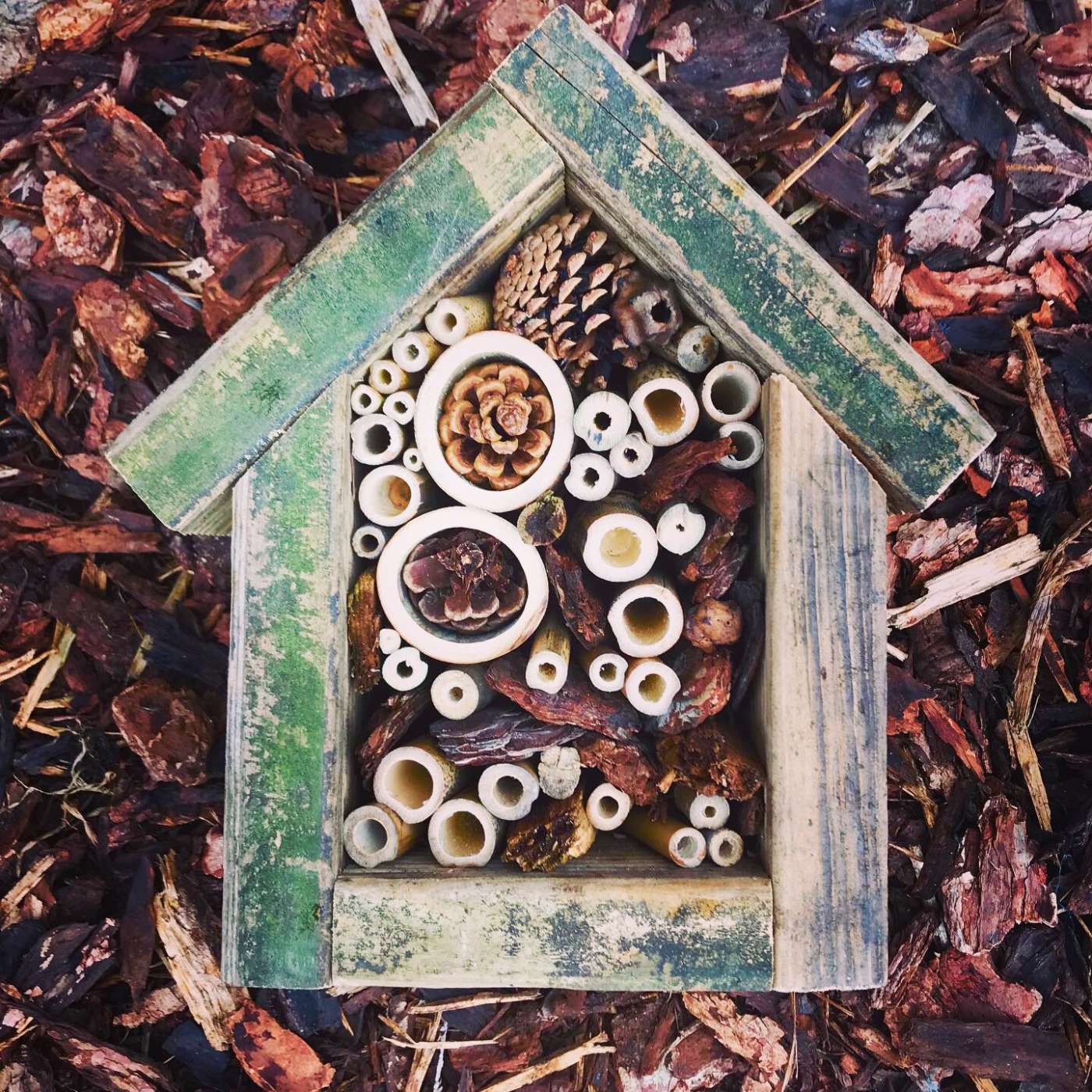
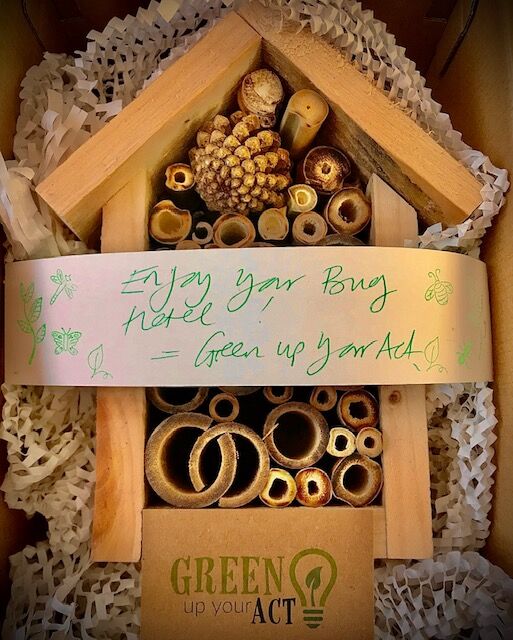
Green up your act provided help and materials building a Bug Hotel with St Mary Magdalene’s school Eco club. The habitat will provide shelter for insects and wild life and will also provide an excellent out of class learning experience. Having biodiversity with in the school grounds will help gain a silver award for the schools Eco school program.
Bug Barn Pic
Subjects covered
Biodiversity
School Grounds

December 7, 2009
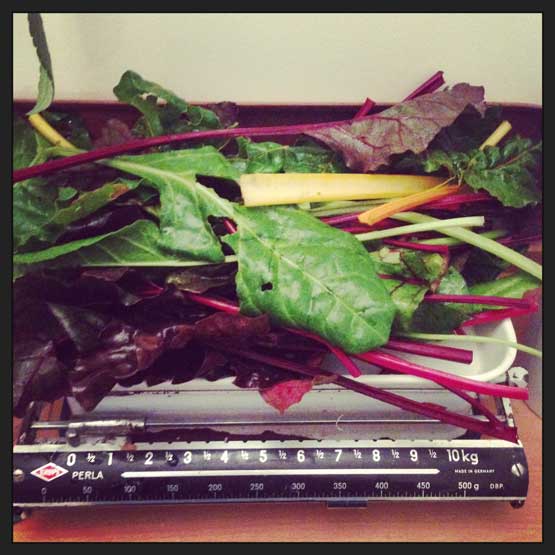
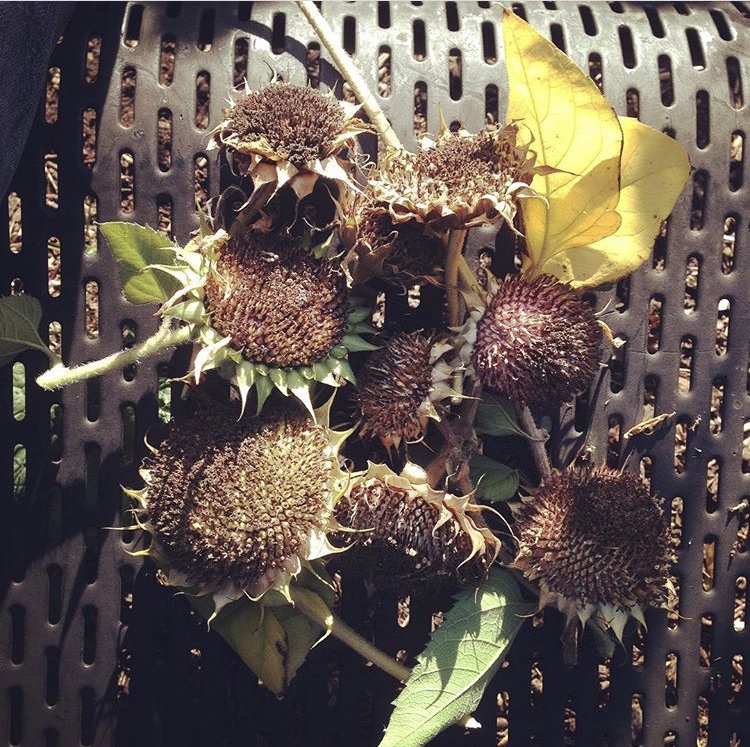
The Earthship allotment is a fully functioning organic vegetable garden. The energy consumed during all stages of food production accounts for a over a third of the energy we consume in the United Kingdom. We import half of our vegetables and much our fruit. Learning about food miles, seasonal food and nutrition is essential to an understanding of our carbon footprint and promoting health and well being. A visit to the allotment is a must for anyone interested in sustainability.
Subjects include
- what flowers and plants will attract wildlife.
- what structures need to be provided for wildlife.
- what types of animals are beneficial and which might be considered pests.
- recording numbers of animals.
- when are certain animals seen
- what are the different habitats that different creatures prefer. Ecosystems.
- food chains and webs. Ecosystems.
- the effects of pesticides today and in the past.
- construction and maintenance of a pond. Ecosystems.
- Habitat and wildlife conservation.
- Composting and wormery workshop.
- Growing organic food at home.
- Energy and water.
- Travel and traffic.
- Inclusion and participation.
- Food and drink.
- Energy and water.
- Travel and traffic.
- Local well-being.
- Global dimension
- Planting and sowing.
- Growing organic food at home.
Growing organic food at home.
Subjects Covered

January 29, 2009
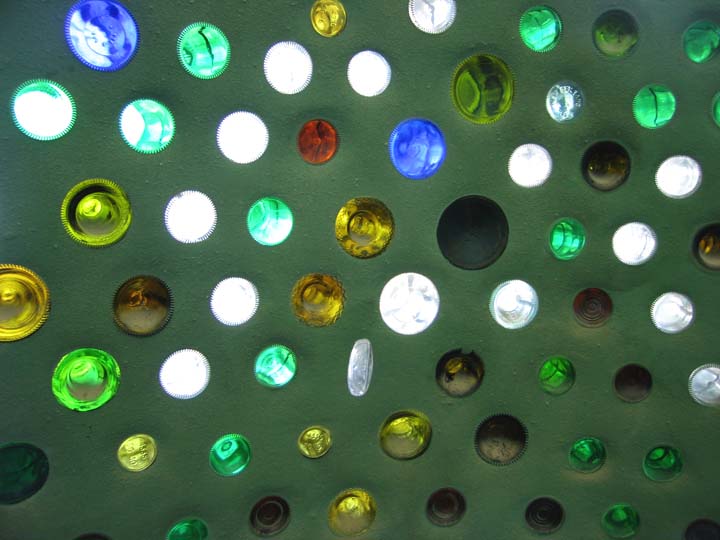
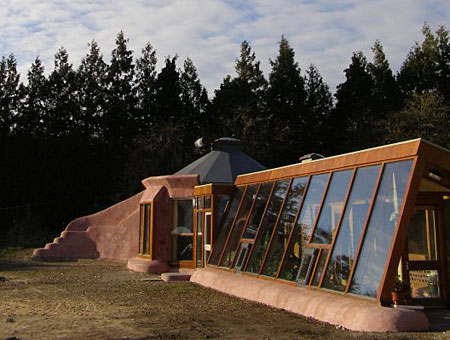
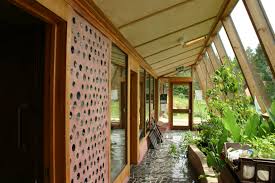
Earthships are cutting edge ‘green’ buildings, constructed using waste car tyres and other recycled materials. They use the planets natural systems to provide all utilities – using the sun’s energy and rain to provide heat, power and water. They are buildings that heat and cool themselves, harvest their own water and use plants to treat their sewage.
Earthships enjoy the weather, regardless of season. If it’s raining they catch free water, if it’s windy they generate free power and if it’s sunny they are capturing free heat and electricity. Apart from using all the resources immediately around them they also employ extensive energy efficiency and water conservation measures, ensuring that the rainwater and renewable energy they harvest goes as far as possible.
Topics covered
- Sc1 – Scientific Enquiry
- Sc2 – Life processes and living things.
- Sc3 – Materials and their properties
- Sc4 – Physical processes
Continue Reading »

January 29, 2009
When visiting the Earthship we strongly encourage using the Big Lemon Bus Company. Its an alternative to using diesel run buses, the bus is run on 100% recycled cooking oil this is not only an easy way to be green it also makes a fun and educational way to begin and finish the day.
There is a discount available if you mention the Earthship.
www.thebiglemon.com (01273 676867)

January 20, 2009

(1) The Earthship is made up of many recycled materials, car tiers, reclaimed marble, bottles that catch the light and even the kitchen sink has been reused.
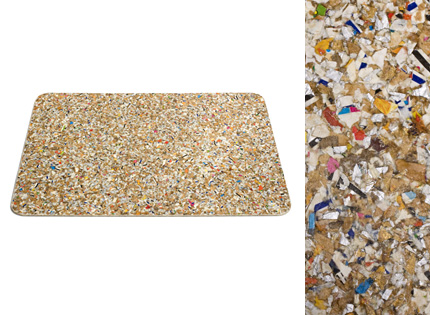
(2) Workshops making useful things from discarded packaging and paper is a great way to help students understand about reducing our waste.
(3) Students are encouraged to bring compostable material so the process of improving soil can be explained.
“Educating people from an early age about how our actions influence the environment in prompting responsible behavior. Creative and practical ways can be found to help pupils translate the study of climate change into actions in their everyday lives”
Nicholas Stern writer of the UK government’s climate change report

November 5, 2008
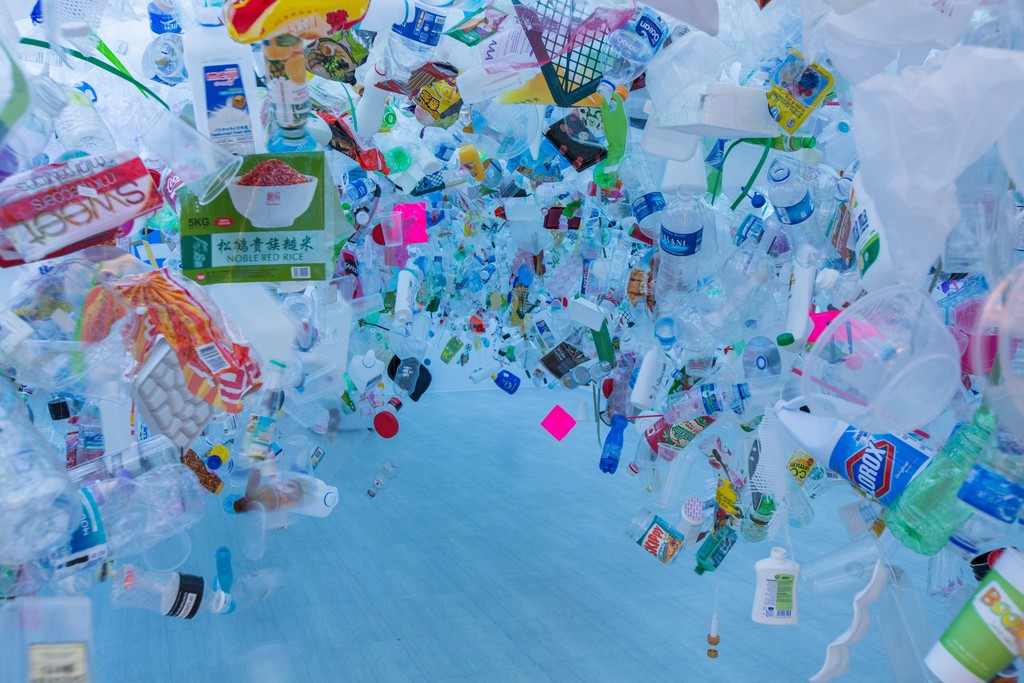
Reducing our waste is one of the best ways to have a positive impact on our world. It’s important to both our natural environment and us. Our landfill sites are filling up, by 2015, almost all landfills in the UK will be full and incineration should not be the answer.
Increasing population means that there are more people on the planet to create waste. Discarded packaging contains materials that are not biodegradable. Harmful chemicals and greenhouse gasses are released from rubbish in landfill sites. Recycling helps to reduce the pollution caused by waste and helps protect our resources for future generations.
Making use of redundant materials is a clear statement about closing the loop of resources, but it is a challenge to create new and meaningful uses for objects we regard as rubbish. The Tetra-Pack to wallet design is a transformation creates new and exciting uses for material otherwise regarded as waste. In this case the cardboard, aluminium and plastic which are hard to recycle creates a new object which cleverly borrows from the properties of the discarded carton. i.e: durable and hard wearing.
All materials supplied.
Anna Frendo Ukfeild Technology Eco Week
Teacher of Geography – Sustainability Co-ordinator
Continue Reading »

October 8, 2008
Schools and colleges contribute greatly to the green house gases in our environment. Energy, water, waste and traveling to school become a part of the schools carbon footprint. Targeting these areas and implementing a reduction in our carbon footprint is key to not only making your school kinder to the planet but it will also become an inspiring and empowering place for children to learn. This in turn will save the school money inspire the students to have a practical positive involvement in the future of our planet and learn more about the issues that concern us all as responsible citizens of planet earth.
sustainable_systems
Continue Reading »